
Ever found yourself staring at a cracked driveway, wondering how on earth you’re going to find someone reliable to fix it? Or perhaps you’re dreaming of a stunning new patio but haven’t got a clue where to start? Choosing the right concreters can feel overwhelming, especially when you’re investing your hard-earned money into your property.
Here’s the thing—not all concreters are created equal. The difference between a skilled professional and a cowboy operator could mean the difference between a beautiful, long-lasting finish and a crumbling mess within months. That’s why doing your homework before hiring anyone is absolutely vital.
In this guide, we’ll walk you through everything you need to know about finding and hiring concreters. From understanding what services they offer to spotting red flags, getting accurate quotes, and knowing exactly what questions to ask—we’ve got you covered. By the end, you’ll feel confident making a decision that’s right for your project and your budget.
What Do Concreters Actually Do?
Types of Concreting Services
Concreters are skilled tradespeople who specialise in preparing, pouring, and finishing concrete for a variety of applications. Their work goes far beyond simply mixing cement and water. They handle driveways, pathways, patios, pool surrounds, shed slabs, and even decorative features.
The best concreters offer a range of services including site preparation, formwork construction, reinforcement placement, and various finishing techniques. They’ll also advise on drainage solutions and help you choose the right concrete mix for your specific needs.
Residential vs Commercial Concreting
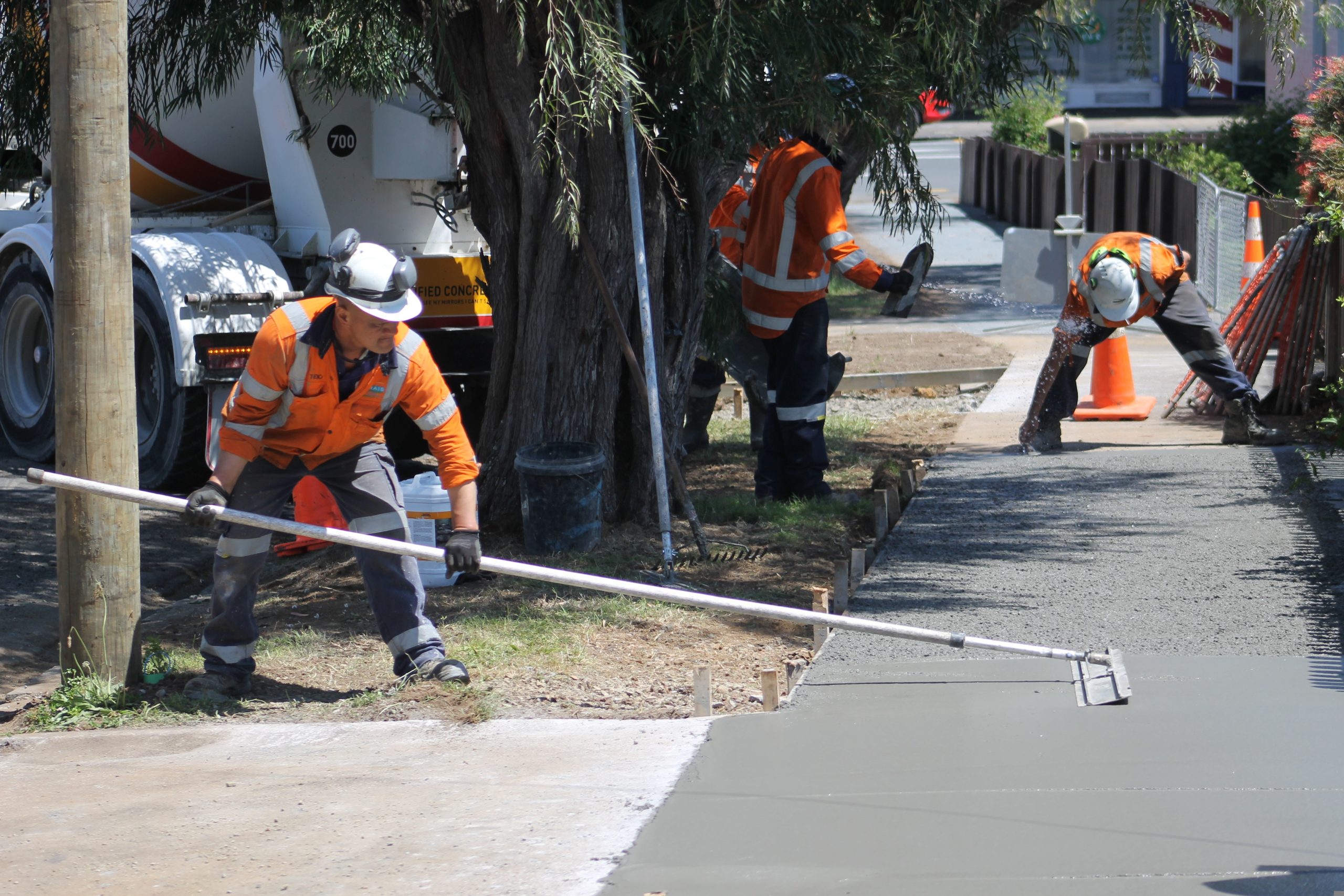
Residential projects typically include home driveways, garden paths, and outdoor entertaining areas. Commercial work, on the other hand, involves larger-scale projects like car parks, warehouse floors, and industrial slabs.
While some concreters handle both, many specialise in one area. For home projects, you’ll want someone with experience in residential work who understands the aesthetic considerations that matter to homeowners.
How Do I Find Reliable Concreters?
Local Recommendations and Word of Mouth
Start by asking friends, family, and neighbours who’ve recently had concreting work done. Personal recommendations remain one of the most reliable ways to find quality tradespeople. People are usually happy to share both positive and negative experiences.
Local community groups on Facebook can also be goldmines for recommendations. Simply post asking for suggestions for concreters, and you’ll likely receive plenty of responses from locals who’ve been in your shoes.
Online Reviews and Portfolios
Check platforms like Google Reviews, Product Review, and Hipages to see what past customers are saying. Pay attention to how businesses respond to negative reviews – this tells you a lot about their professionalism.
A quality concreter will have a portfolio showcasing their previous work. Many display these on their websites or social media pages. Look for projects similar to yours and assess the quality of their finishes.
Checking Licences and Insurance
Never skip this step. In Australia, concreters need appropriate licences to operate legally. They should also carry public liability insurance and workers’ compensation coverage. Ask for proof of both before signing anything.
What Should I Look for When Hiring Concreters?
Experience and Specialisation
Years in the industry matter, but so does the type of work they’ve completed. Someone with extensive experience in exposed aggregate driveways might not be your best choice for a polished concrete floor. Ask specifically about projects similar to yours.
Quality of Previous Work
Request references from recent customers and actually follow up with them. Visit completed projects if possible – photos can be deceiving. Look for even surfaces, clean edges, and consistent finishes.
Communication and Professionalism
From your first contact, pay attention to how they communicate. Do they return calls promptly? Are they happy to answer questions? A concreter who’s difficult to reach before the job starts will likely be even harder to contact once they’ve got your deposit.
How Long Does a Concreting Project Take?
Typical Timeframes for Common Projects
A standard residential driveway typically takes two to three days from start to finish. Larger projects or those with decorative finishes may take longer. However, you’ll need to factor in curing time – concrete needs roughly seven days before light foot traffic and 28 days for full strength.
Weather and Seasonal Considerations
Weather plays a massive role in concreting. Rain can ruin freshly poured concrete, while extreme heat causes it to cure too quickly. Experienced concreters know the local climate and will schedule work accordingly. Winter projects may take longer due to slower curing times.
Common Mistakes to Avoid When Choosing Concreters
Many homeowners make regrettable decisions when hiring concreters. Here’s what to avoid:
– Choosing solely based on the lowest price
– Not getting everything in writing
– Paying too much upfront
– Skipping reference checks
– Ignoring gut feelings about unprofessional behaviour
– Failing to discuss cleanup responsibilities
Learning from others’ mistakes can save you significant hassle and expense.
Do Concreters Need to Be Licensed in Australia?
Yes, in most Australian states, concreters require specific licences for structural and domestic work. In Victoria, for instance, concreters need registration with the Victorian Building Authority for work valued over certain thresholds.
Always verify their credentials directly with the relevant authority. Don’t just take their word for it – a quick online check can confirm their registration status and whether any complaints have been lodged.
What Types of Concrete Finishes Are Available?
Exposed Aggregate
This popular finish reveals the natural stones within the concrete, creating a textured, slip-resistant surface. It’s durable, low-maintenance, and available in various colour combinations. Perfect for driveways and pool surrounds.
Stamped and Stencilled Concrete
These techniques create patterns that mimic pavers, tiles, or natural stone at a fraction of the cost. Stamped concrete is pressed with moulds while wet, whereas stencilled concrete uses paper templates and colour hardeners.
Polished and Coloured Options
Polished concrete offers a sleek, modern look ideal for indoor applications. Coloured concrete uses pigments mixed into the concrete or applied to the surface, offering endless design possibilities.
Red Flags: When to Walk Away from a Concreter
Trust your instincts if something feels off. Warning signs include:
– Requests for large cash deposits
– No written contract or vague terms
– Unable to provide licence or insurance details
– Poor communication or missed appointments
– Pressure to make quick decisions
– No fixed business address
Walking away might feel awkward, but it’s better than dealing with a disaster later.
Final Checklist Before Signing a Contract
Before you put pen to paper, confirm:
– The scope of work is clearly defined
– Start and completion dates are specified
– Payment schedule is reasonable (never pay more than 10% upfront)
– Warranty terms are included
– Insurance certificates are current
– Licence details are verified
– Site access and cleanup responsibilities are outlined
Making Your Decision with Confidence
Choosing the right concreters doesn’t have to be stressful. Armed with the information in this guide, you’re now equipped to make an informed decision that protects your investment and delivers results you’ll be proud of for years to come.
Take your time with the selection process. Quality concreters understand that homeowners need to do their due diligence and won’t pressure you into hasty decisions. Get those quotes, check those references, and trust your judgement about who feels right for the job.
Your concrete project is an investment in your property’s value and your everyday enjoyment of your home. By following the steps we’ve outlined, you’ll find a professional who delivers excellent workmanship, fair pricing, and genuine peace of mind. Good luck with your project – here’s to beautiful concrete that stands the test of time!