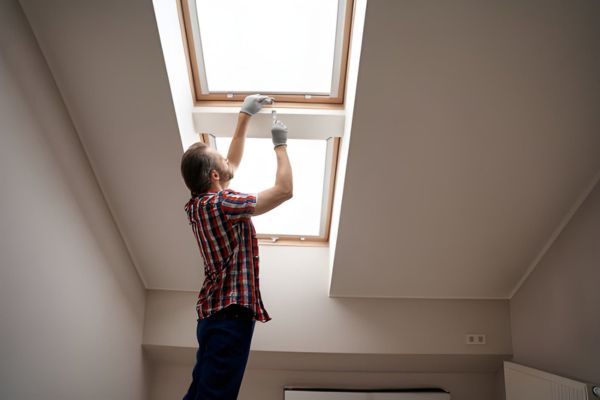
Ever wondered how some homes seem to glow with natural light, even on those grey winter days? Have you thought about transforming your dark hallway or bathroom into a bright, welcoming space? What if you could slash your electricity bills while making your home feel twice as spacious?
If you’ve been dreaming about bringing more sunshine into your life, skylights might just be the answer you’re looking for. A well-placed skylight can flood your rooms with up to three times more natural light than a standard window, creating an airy atmosphere that’s hard to beat.
In this guide, we’ll walk you through everything you need to know about new skylight installation. From understanding the different types available to navigating local building codes, we’ve got you covered. You’ll learn how to assess whether your roof is suitable, what to expect during installation, and how to avoid common mistakes that could leave you with leaks or excessive heat. Whether you’re a keen DIYer or planning to hire a professional, this complete guide will help you make informed decisions every step of the way.
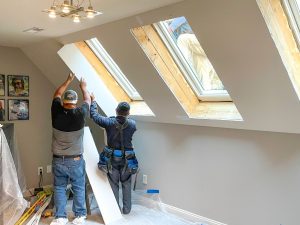
Understanding Skylight Types For Australian Homes
Fixed Skylights vs Ventilated Skylights
When it comes to choosing your skylight, you’ve got two main options to consider. Fixed skylights are exactly what they sound like—they don’t open, but they do an excellent job of letting light pour in. They’re typically more affordable and less likely to develop problems over time since there are no moving parts to worry about.
Ventilated skylights, on the other hand, can be opened to allow fresh air circulation. This makes them brilliant for bathrooms and kitchens where moisture builds up.
Tubular Skylights: Are They Worth It?
Tubular skylights are the compact cousins of traditional options. They use a reflective tube to channel light from your roof into smaller spaces like hallways, wardrobes, or en-suites. They’re perfect when you’ve got limited roof space or tricky ceiling configurations.
The main advantage? They’re generally easier and cheaper to install than standard skylights. Plus, they work well in spaces where a large skylight simply isn’t practical.
Which Skylight Style Suits Your Roof Type?
Your roof pitch and material will influence which skylight works best. Flat roofs need different flashing systems compared to tiled or metal roofs. It’s worth chatting with a supplier about your specific situation before making any purchases.
Planning Your New Skylight Installation
Assessing Your Roof Structure And Orientation
Before getting stuck into any installation, you need to understand what you’re working with. Check your roof space for obstacles like electrical wiring, plumbing, or structural beams that might complicate placement.
North-facing skylights capture the most consistent light throughout the day. East-facing options give you lovely morning light, while west-facing skylights can cause afternoon heat issues during summer—something to bear in mind.
How Do I Know If My Roof Is Suitable For A Skylight?
Not every roof is skylight-ready. You’ll need sufficient space between rafters, a roof pitch that allows proper water runoff, and an attic or ceiling cavity that can accommodate a light shaft if needed.
Older homes might have complications with asbestos-containing materials, so always get a professional assessment if your home was built before the 1990s. It’s better to be safe than sorry.
Choosing The Right Size And Placement
A common rule of thumb is that your skylight should be around 5% of the floor area for rooms with additional windows, or up to 15% for rooms without. Too small and you won’t notice much difference; too large and you might end up with heat gain problems.
Step-By-Step Guide To Efficient Skylight Installation
Preparing Your Workspace And Materials
Gather everything you’ll need before starting: the skylight unit, flashing kit, roofing sealant, safety harness, ladder, drill, saw, and measuring tape. Clear the area below where you’ll be working and lay down drop sheets to catch debris.
Cutting The Roof Opening Safely
Mark your cutting lines carefully from inside the roof space, then drill pilot holes at each corner. Cut from the outside, following manufacturer guidelines for clearances around the frame. Always wear appropriate safety gear and work with a helper if possible.
Installing The Skylight Frame And Flashing
Position the frame according to the manufacturer’s instructions. The flashing system is critical—it creates a watertight barrier between the skylight and your roofing material. Work methodically, starting from the bottom and overlapping each piece as you move upwards.
Interior Finishing And Light Shaft Construction
If there’s space between your ceiling and roof, you’ll need to construct a light shaft. Splayed shafts (angled outward) distribute light more evenly than straight shafts. Line with plasterboard, insulate properly, and paint white to maximise light reflection.
Common Skylight Installation Mistakes To Avoid
Poor Waterproofing And Leak Prevention
Leaking skylights are the number one complaint and almost always result from incorrect flashing installation. Every junction must be properly sealed, and flashing should be installed in the correct sequence to direct water away from the frame.
Incorrect Positioning And Heat Gain Issues
A skylight positioned without considering sun angles can turn your room into a sauna during summer. Think about shading options, low-E glass coatings, or blinds if you’re installing on a west-facing roof section.
How Long Does It Take To Install A Skylight?
Most professional installations take between half a day and a full day, depending on complexity. DIY projects typically stretch longer, especially if you’re constructing a light shaft or working around obstacles. Factor in time for permits, which can take several weeks to process.
Maintaining Your Skylight After Installation
Keep your skylight performing well by cleaning the glass twice yearly—more often if you’re surrounded by trees. Check seals and flashing annually, particularly after severe weather. Ventilated skylights benefit from occasional lubrication of moving parts.
Bringing Natural Light Into Your Home
Skylights genuinely transform living spaces in ways that artificial lighting simply can’t match. Throughout this guide, we’ve explored the different types available, walked through planning considerations, and covered the installation process from start to finish. We’ve also touched on costs, common pitfalls, and ongoing maintenance.
If there’s one key takeaway, it’s this: proper planning and quality installation make all the difference. A well-installed skylight will serve you brilliantly for decades, while a rushed job can lead to expensive repairs and endless frustration. Take your time choosing the right product for your needs and don’t cut corners on weatherproofing.
Whether you tackle the project yourself or bring in the professionals, adding a skylight to your home is an investment that pays dividends in natural light, energy savings, and sheer liability. Here’s to brighter days ahead—literally. Ready to let the sunshine in?