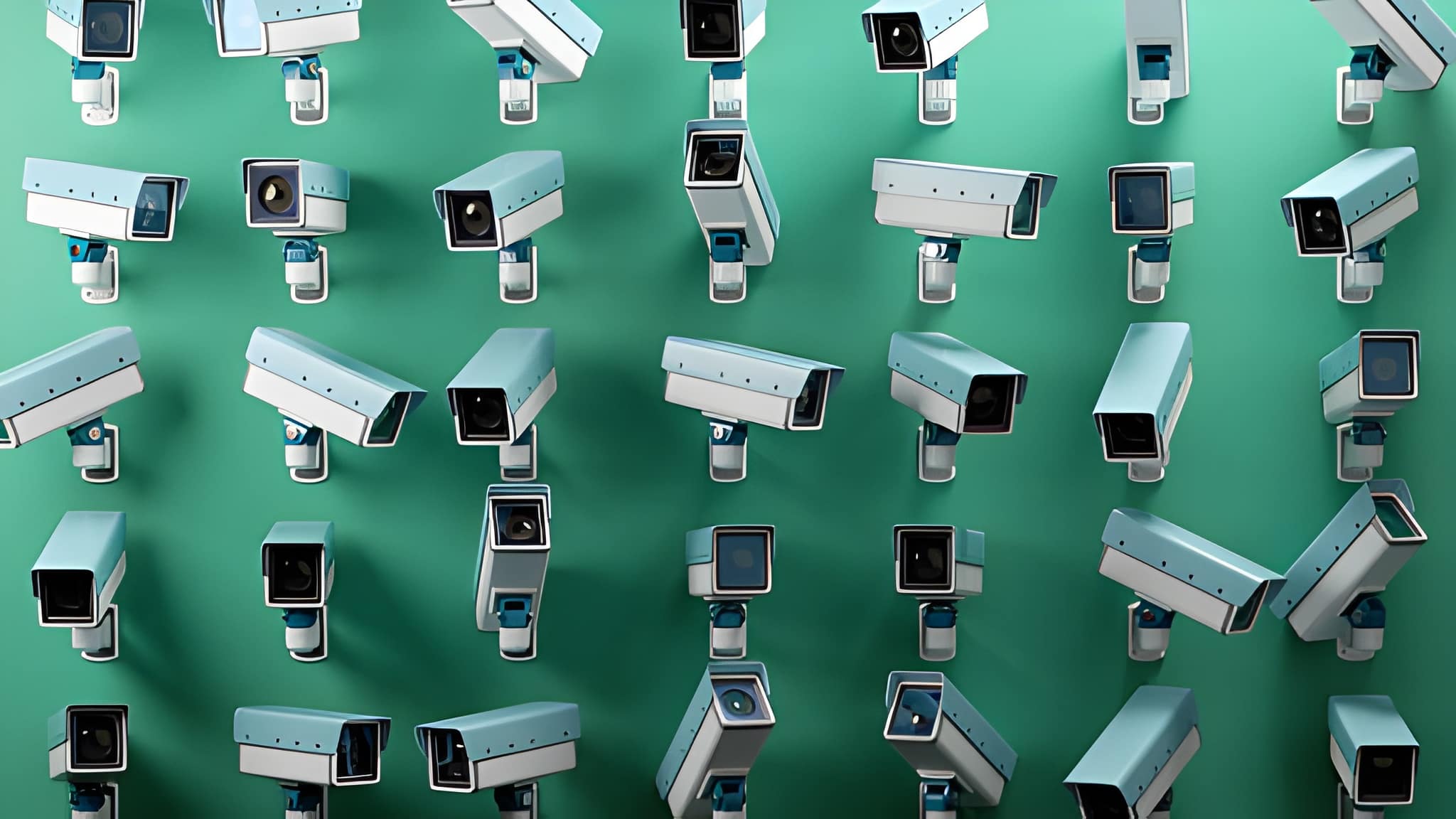
Are you considering beefing up your home security? Have you wondered if installing a CCTV system is a good investment for safeguarding your property? As security concerns continue to rise, more homeowners are turning to CCTV installation to deter crime and enhance peace of mind. This article will provide you with an easy guide to CCTV installation, ensuring your journey from novice to a confident installer is smooth and rewarding. We will explore the ins and outs of home security systems, detailing everything from the basics of surveillance cameras to the nuances of professional and DIY setups.
1. What is CCTV Installation?
CCTV installation involves setting up closed-circuit television cameras around your property to monitor and record activities. These systems can be found in both residential and commercial settings, providing an added layer of security by capturing footage of potential intruders or suspicious activities. The footage can be accessed in real-time or stored for later viewing, depending on the system’s capabilities. Installing CCTV systems has become more accessible with advancements in technology, offering both wired and wireless options that cater to various needs and budgets.
2. Benefits Of Installing A Home Security System
Home security systems do more than just capture footage; they act as a deterrent to potential burglars and provide homeowners with peace of mind. Some key benefits include:
– Crime Deterrence: Visible cameras can discourage criminal activity.
– Evidence Collection: Recorded footage can be invaluable in investigations.
– Remote Monitoring: Many modern systems offer remote access via smartphones.
– Insurance Benefits: Some insurance companies offer discounts for properties with security systems.
3. Choosing The Right Surveillance Cameras
Selecting the right surveillance cameras is crucial for an effective CCTV installation. Consider the following factors:
– Resolution: Higher resolution cameras capture clearer images.
– Field of View: A wider field of view can cover more area.
– Night Vision: Essential for monitoring in low-light conditions.
– Weather Resistance: Outdoor cameras should withstand various weather conditions.
– Connectivity: Decide between wired and wireless options based on your needs.
4. DIY CCTV Setup vs. Professional Installation
When it comes to setting up a CCTV system, you have two main options: DIY or professional installation.
– DIY CCTV Setup: This is cost-effective and gives you complete control over the installation process. It’s ideal for tech-savvy individuals who are comfortable with tools and basic electrical work. However, it can be time-consuming and challenging for beginners.
– Professional CCTV Installation: This option ensures that the system is set up correctly and efficiently by experts. While it is more expensive, it offers peace of mind and often includes a warranty or service plan.
5. Understanding Wireless Security Cameras
Wireless security cameras have become increasingly popular due to their ease of installation and flexibility. Here’s what you need to know:
– Flexibility: Wireless cameras can be placed anywhere within range of your Wi-Fi network.
– Installation: They are generally easier to install since they don’t require running cables through walls.
– Signal Range: Ensure your Wi-Fi signal is strong enough to cover all camera locations.
– Battery Life: Check if the cameras are battery-operated or require a power source.
6. Evaluating CCTV Installation Cost
The cost of CCTV installation varies based on several factors:
– Number of Cameras: More cameras increase the cost.
– Type of Cameras: Higher resolution and additional features like night vision will increase price.
– Installation Fees: Professional installation will add to the total cost.
– Maintenance and Upgrades: Consider long-term costs for repairs and updates.
7. Security Camera Placement: Where to Install Your Cameras
Proper placement of security cameras is crucial for optimal coverage and effectiveness. Key locations include:
– Entry Points: Cover all main doors and windows.
– Driveways and Garages: Monitor vehicles and access points.
– Backyards and Side Gates: Capture less-visible areas.
– High Traffic Areas: Focus on areas with frequent activity for detailed monitoring.
8. Regular CCTV Maintenance For Enhanced Longevity
To ensure your CCTV system remains functional and reliable, regular maintenance is essential:
– Inspect Cameras Regularly: Check for damage or obstructions.
– Clean Lenses: Keep camera lenses free of dust and debris.
– Test Connectivity: Ensure all cameras are properly connected and recording.
– Update Software: Keep your system’s software up-to-date for security and performance improvements.
9. Integrating CCTV With Smart Home Security
Integrating your CCTV system with a smart home security setup can enhance its capabilities:
– Smart Alerts: Receive notifications on your phone for unusual activity.
– Voice Control: Use voice-activated assistants to control cameras.
– Integration with Other Devices: Sync with smart locks, lights, and alarms for a comprehensive security solution.
Conclusion
CCTV installation is an invaluable investment for any homeowner looking to enhance their property’s security. Whether you opt for a DIY setup or professional installation, understanding the components and requirements of a CCTV system is crucial. From selecting the right cameras to ensuring proper placement and maintenance, each step plays a vital role in creating a robust security network. With the added convenience of smart home integration, CCTV systems offer unparalleled peace of mind and protection. Don’t wait until it’s too late; take proactive steps to secure your home today.