Have you ever wondered what mechanics are really looking for when they peek under your bonnet? Are you buying a used car and feeling a bit nervous about hidden problems? Or perhaps you’re simply trying to work out whether that odd noise your car’s making is something serious or just your imagination running wild?
Getting a comprehensive car inspection might seem like just another expense, but it’s actually one of the smartest investments you can make as a vehicle owner. Whether you’re in Keysborough or anywhere else in Australia, understanding what goes into a thorough vehicle check can save you thousands of dollars and potentially keep you safe on the road. This guide breaks down the five most critical areas that any proper inspection should cover, helping you understand what to look for and why each component matters.

We’ll explore everything from engine health to structural integrity, giving you the knowledge to spot warning signs early and make informed decisions about your vehicle. By the end, you’ll know exactly what questions to ask your mechanic and how to ensure you’re getting genuine value from your car inspection in Keysborough or wherever you choose to have it done.
Engine Health and Performance: The Heart of Your Vehicle
What Should I Look for During an Engine Inspection?
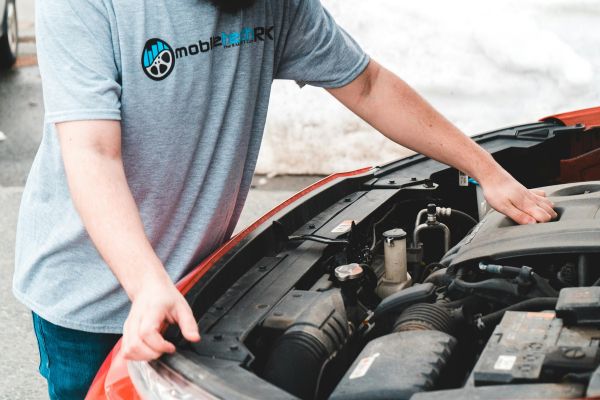
The engine is quite literally what makes your car go, so it deserves special attention during any inspection. Start by listening to how the engine sounds when it’s running. A healthy engine should purr smoothly without any knocking, ticking, or grinding noises. Pop the bonnet and check for any visible leaks, excessive dirt buildup, or worn belts and hoses.
Visual inspection is just the beginning though. A proper engine check includes examining the air filter (which should be relatively clean), checking the spark plugs for wear, and ensuring all connections are secure. The engine should idle steadily without surging or stalling, and there shouldn’t be any excessive vibration when it’s running.
Common Engine Warning Signs You Shouldn’t Ignore
Your car often tries to tell you when something’s wrong with the engine, but many drivers miss these early warning signs. Unusual smoke from the exhaust is a big red flag – blue smoke suggests oil burning, white smoke points to coolant issues, and black smoke indicates the engine is running too rich.
Strange smells are equally important indicators. A sweet smell might mean coolant is leaking, whilst a burning oil smell obviously suggests oil problems. If you notice a sulphur or rotten egg smell, your catalytic converter might be on its way out.
Brake System Safety: Your First Line of Defence
How Do I Know If My Brakes Need Attention?
Your brakes are arguably the most important safety feature on your vehicle, yet many drivers only think about them when something goes wrong. During a comprehensive inspection, brake performance should be thoroughly tested. Listen for squealing, grinding, or scraping sounds when braking these aren’t normal and usually indicate worn brake pads or damaged rotors.
Pay attention to how the brake pedal feels under your foot. It should feel firm and responsive, not spongy or soft. If you need to press the pedal further than usual or if it sinks to the floor, you could have air in the brake lines or a leak in the system.
The Complete Brake Inspection Checklist
A thorough brake inspection goes well beyond just checking the brake pads. Start with a visual inspection of the brake discs (rotors) – they should be smooth and even, without deep grooves, scoring, or hot spots that appear as blue or dark patches.
Brake pads should have at least 3mm of material remaining. Most pads have wear indicators that create a squealing noise when they’re getting thin, but waiting for this warning means you’re already cutting it close. Check for even wear across the pad surface uneven wear suggests caliper problems.
Tyres and Suspension: Where the Rubber Meets the Road
How Often Should Tyres Be Inspected?
Tyres should be checked monthly for proper pressure and general condition, but a professional inspection should happen at least every six months. In Australia’s varied climate conditions, from scorching summers to wet winters, tyres face constant challenges that can accelerate wear.
Regular rotation every 10,000 kilometres helps ensure even wear across all four tyres. During inspection, each tyre should be examined for tread depth, sidewall damage, and signs of irregular wear patterns that might indicate suspension or alignment issues.
Reading the Signs: What Your Tyres Are Telling You
Tyres can reveal a lot about your vehicle’s overall health. Wear on the outer edges suggests under-inflation, whilst centre wear indicates over-inflation. Cupping or scalloped wear points to worn suspension components or imbalanced wheels.
Feathering, where tread blocks develop a sawtooth pattern, typically means your wheel alignment is off. One-sided wear across the tyre width also indicates alignment problems that need addressing before you’re forced to replace tyres prematurely.
Suspension Components That Often Get Overlooked
Whilst most people think of shock absorbers when suspension is mentioned, numerous other components need regular inspection. Ball joints, control arm bushings, and sway bar links all play crucial roles in vehicle handling and safety.
During inspection, each component should be checked for excessive play, torn rubber boots, or leaking fluid. A simple bounce test can reveal worn shocks – push down hard on each corner of the car and release. It should bounce once and settle. Multiple bounces indicate worn shock absorbers.
Electrical Systems and Battery Health
What Are the Signs of Electrical Problems in a Car?
Modern vehicles rely heavily on electrical systems, making electrical health crucial during any inspection. Warning signs include dim or flickering lights, slow engine cranking, dashboard warning lights, or electrical accessories that work intermittently.
More subtle signs might include windows that move slowly, central locking that’s sluggish, or a radio that cuts out. These symptoms often indicate a failing alternator or battery, but could also point to corroded connections or damaged wiring.
Battery Testing: More Than Just Checking If It Starts
A proper battery test goes beyond simply seeing if the engine starts. Load testing reveals whether the battery can maintain adequate voltage under strain, whilst checking the specific gravity of the electrolyte (in serviceable batteries) indicates cell health.
The battery should be securely mounted with clean, corrosion-free terminals. That white or green crusty buildup on terminals isn’t just unsightly it increases resistance and can prevent proper charging.
Body Condition and Structural Integrity
Is It Worth Getting a Pre-Purchase Car Inspection?
Absolutely! A pre-purchase inspection is perhaps the most valuable type of comprehensive check you can get. For a relatively small investment, you gain peace of mind and potentially save thousands in unexpected repairs.
Professional inspectors know exactly where to look for signs of previous accident damage, poor repairs, or hidden rust. They can spot misaligned panels, overspray from repainting, and welding marks that indicate structural repairs.
Spotting Hidden Damage and Previous Repairs
Checking panel gaps is one of the quickest ways to identify previous accident damage. Gaps between doors, bonnet, and boot should be uniform. Uneven gaps suggest the vehicle’s been in a collision.
Look inside the engine bay and boot for evidence of repairs. Original factory welds look uniform and neat, whilst repair welds often appear rough or excessive. Paint overspray on rubber seals or plastic trim indicates repainting, possibly after accident damage.
Conclusion: Making Your Car Inspection Count
A comprehensive car inspection is genuinely one of the best investments you can make in your vehicle’s longevity and your safety on the road. By understanding these five critical areas – engine health, brake systems, tyres and suspension, electrical components, and structural integrity you’re equipped to make informed decisions about any vehicle.
The key takeaway is that prevention costs far less than cure when it comes to vehicle maintenance. Regular inspections catch small problems before they become expensive repairs, keep you safer on the road, and maintain your vehicle’s value. Whether you’re buying a used car or maintaining your current one, knowing what to look for and understanding what inspectors check gives you confidence and control.