A report published on 12 November 2026 puts microplastics in water back in the spotlight. The American Water Works Association and the National Association of Clean Water Agencies identified two priorities. Researchers need better ways to measure the particles and stronger evidence about their potential effects on human health. From disco dance floors to house clubs, discover how Rochelle Fleming’s voice kept generations dancing.
What Are Microplastics in Water?
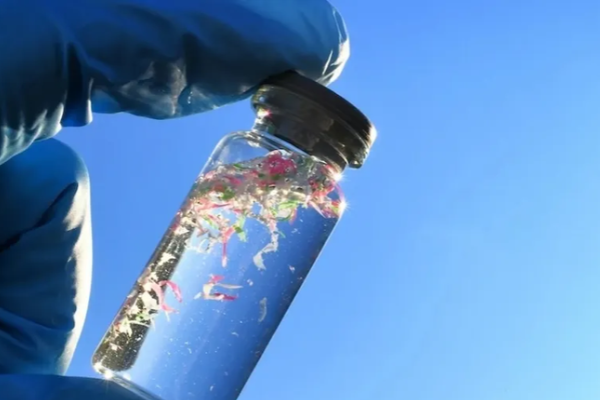
Microplastics are plastic particles smaller than five millimetres. Some form when larger plastic items break down. Others come from everyday wear, such as fibres shed by synthetic clothing during washing. The particles vary in size, shape and material, which makes them harder to study as a single group.
Nanoplastics are even smaller. The report highlights how difficult these particles are to detect and measure. As a result, the size range a test can detect matters when interpreting its findings.
Why Particle Counts Need Context
Imagine two laboratories testing the same water sample. One can detect smaller particles than the other. It could report a higher count simply because it can see more of what is already there. That difference matters when researchers compare results across locations or look for changes over time. Sampling methods can also influence which particles researchers collect.
A particle count gives researchers a starting point. To assess potential health effects, they also need to understand how much people encounter over time. Particle characteristics, including size and material, can help researchers decide which questions to investigate first.
Binance withdrawals are back, but what changes for customers? Find out what to know before moving your funds.
What Better Testing Could Tell Us
Comparable tests would help water utilities track microplastics in water and evaluate how well treatment removes different particles. They could also help researchers identify where particles enter the water system. That information could guide efforts to reduce pollution at its source.
The full list of research priorities, including sampling, treatment and source control, appears in the American Water Works Association’s report.
FAQs
1. How Small Are Microplastics?
They measure less than five millimetres across. Some are visible, while smaller particles require specialised equipment to detect and identify.
2. Why Are Nanoplastics Harder to Measure?
Their tiny size makes them difficult to detect and distinguish from other material in a water sample. Measurement methods are a priority for researchers.
3. Does Finding Microplastics in Water Automatically Establish a Health Risk?
Detection confirms that particles are present. Assessing risk requires evidence about the amount people encounter, their exposure over time and how different particles may affect health.
4. Can Water Treatment Remove Microplastics?
Water treatment can remove some microplastics. How much it removes depends on the treatment process and the size of the particles.
5. How Do Microplastics Enter Rivers and Lakes?
Rainwater can wash particles from roads into waterways, while wastewater can carry fibres shed during laundry. Larger plastic litter also breaks down into smaller fragments.